Osteoporosis
in numbers
What it is
Inside your bones is a living honeycomb.
Osteoporosis thins it.
Less bone, and a weaker structure.
So bones break more easily.
A bone density scan gives you a score.
Osteopenia
Low bone density: between −1 and −2.5.
Osteoporosis
−2.5 or lower.
World Health Organization
How common
3.5 million
people in the UK have osteoporosis.
Royal Osteoporosis Society
More than
1 in 5
women over 50 in the UK have osteoporosis.
About
1 in 15
men over 50.
SCOPE 2021, UK report
After 50,
1 in 2
women will break a bone.
And
1 in 5
men.
van Staa and others, 2001
527,000
broken bones a year in the UK, linked to osteoporosis.
That’s about
one a minute
SCOPE 2021, UK report
Why it matters
Broken bones in the spine can mean:
Up to
70%
of spinal fractures go undiagnosed.
NHS; Royal Osteoporosis Society
70,000+
people in the UK break a hip every year.
National Hip Fracture Database, 2026
After a hip fracture,
1 in 4
die within a year.
National Osteoporosis Guideline Group
A year after a hip fracture,
6 in 10
need help with everyday tasks, like getting dressed.
Royal Osteoporosis Society
The good news
Bones get stronger when you load them.
Since
1994
trials have shown strength training protects bone.
Nelson and others, JAMA, 1994
Heavy lifting built bone in women with low bone density.
LIFTMOR trial, 2018
The gap
Only
17%
of over-65s in England do strength exercise at least twice a week.
11%
at 75 and over.
Health Survey for England, 2021
The UK osteoporosis guideline
strongly recommends weight-bearing and strengthening exercise.
National Osteoporosis Guideline Group
But there’s no national NHS pathway into strength training to build bone.
NICE and House of Commons, 2026
So we started our own.
Skip to
Supervised strength training for stronger bones.
A small class at Cadeleigh Village Hall, near Tiverton, led by a chartered physiotherapist.
The class
Everyone starts light and builds up with coaching. Heavy means heavy for you.
Modelled on the LIFTMOR trial, the programme shown to build bone in people with low bone density.
Squat, deadlift and press with a barbell. Every set is supervised.
Who we are
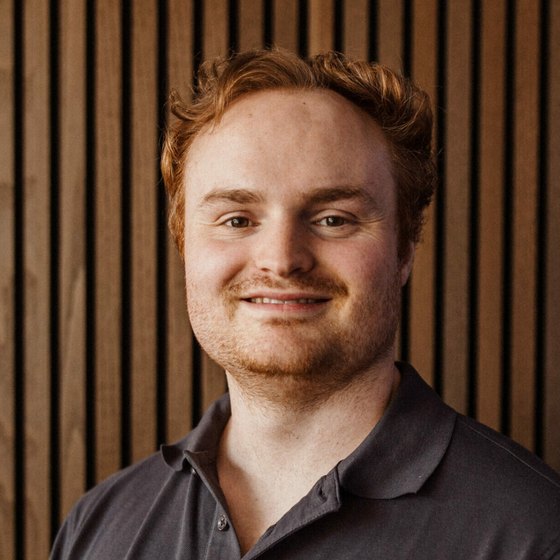
Ten years as a musculoskeletal physiotherapist, the last three of them running The Bone Class. Specialist interest: treating and preventing osteoporosis with heavy weights. Also a powerlifting coach, and part of the Great Britain coaching team at the 2026 European Masters in Finland.
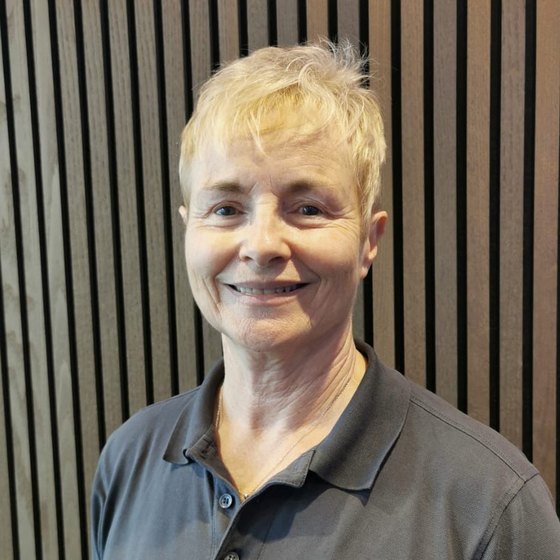
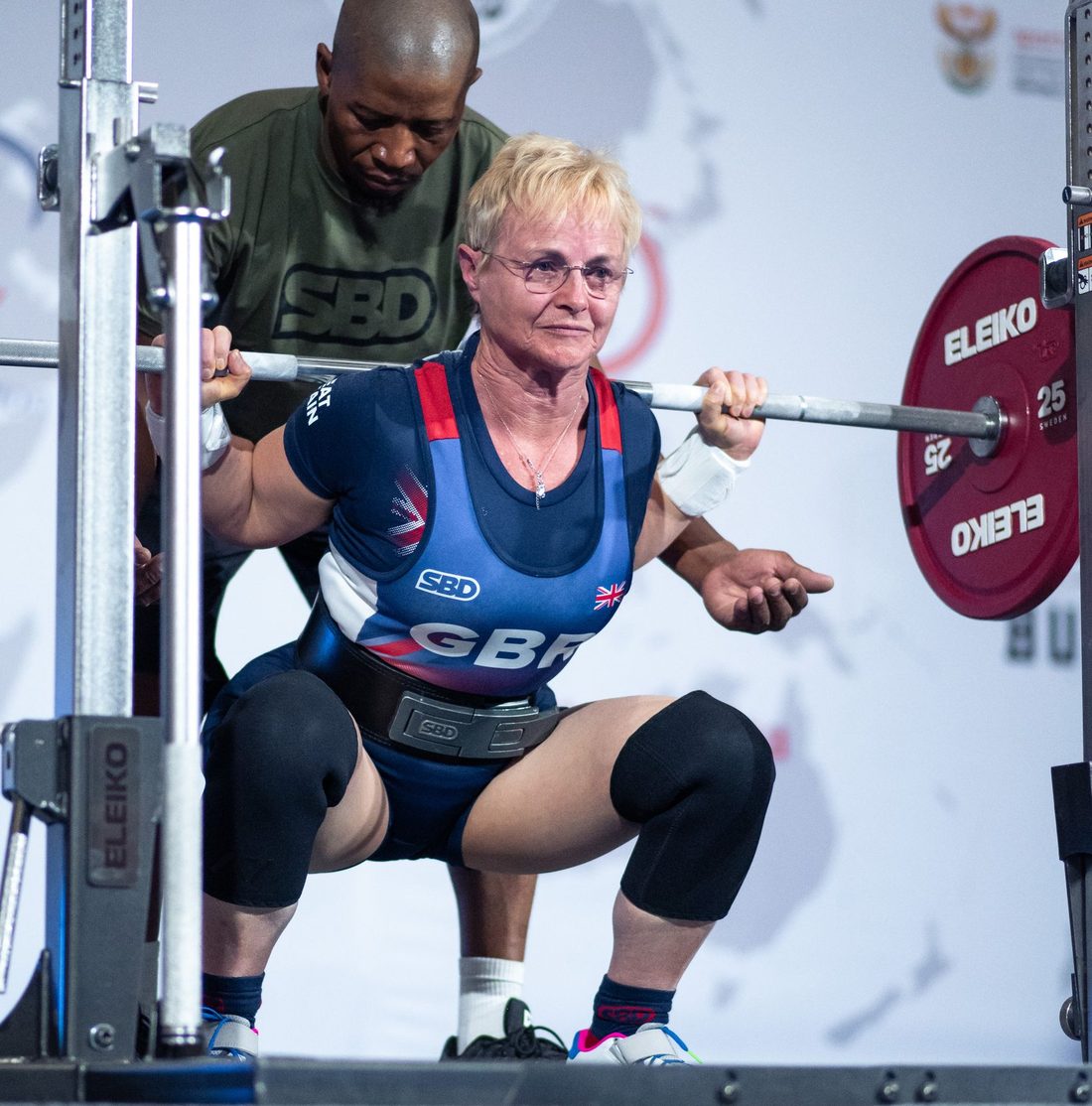
Runs The Bone Class with Harry and competes for Great Britain in powerlifting. In the 60–69 age group (69 kg): British champion 2026, Commonwealth squat record holder, British squat and deadlift record holder.
The science

See which bones each lift loads, how bone renews itself, and the trial results behind the class.
When, where and how much
“Before long I found my confidence increasing along with the weights I was lifting.”
How to join
- Book a free assessment
Send the form and we'll reply.
- Free one-to-one assessment
At the hall, before a class. What happens
- Try the class
Your first one is free. Then choose a time and pay by the term.
We'll reply to arrange your free assessment.